
Milk cooling: the easiest emissions win hiding in plain sight on NZ dairy farms
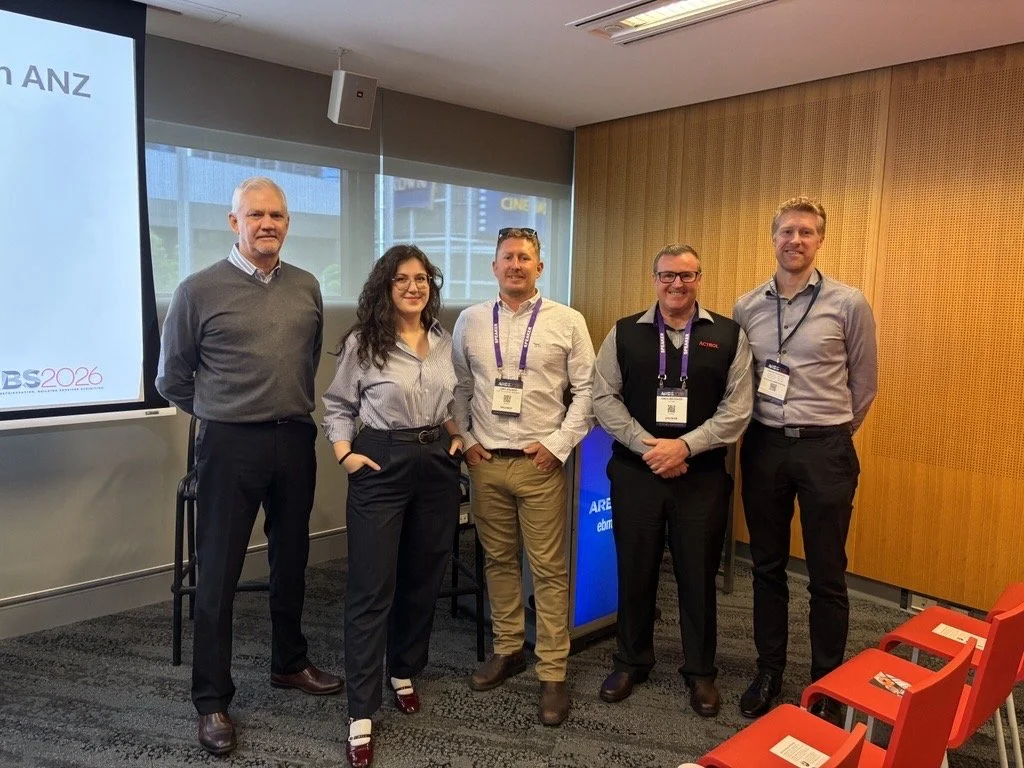
Panel speakers at the ARB’s 2026, including Luke Walker from DTS.
A third of NZ dairy farmers are still running outdated refrigerants — and losing far more emissions than they realise. The solution, says Cryvex GM Luke Walker, is already in the milk room.
the current moment in dairy refrigeration as opportunity for farmers to cut emissions
I've spent 18 years in refrigeration. I'm not prone to hyperbole. So when I say the milk room is one of the most overlooked emissions opportunities on New Zealand dairy farms right now — I mean it.
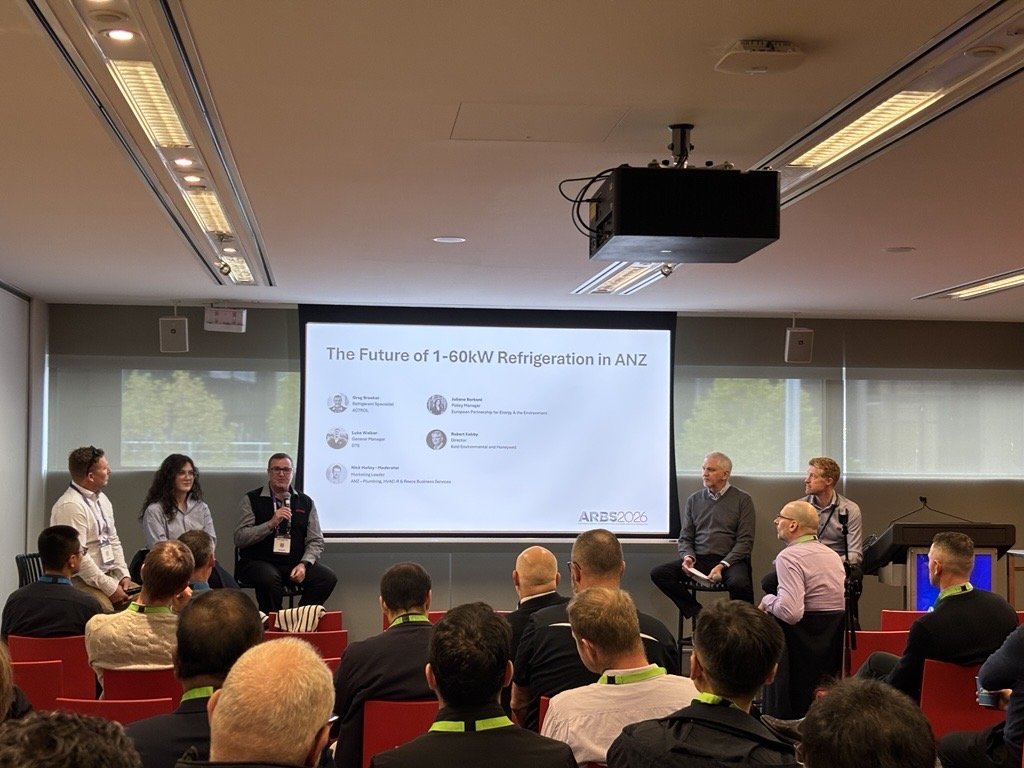
I was recently invited to speak on a panel at ARBS 2026, Australia's premier refrigeration and building services expo, where industry leaders, contractors, and consultants gathered to work through the practical realities of refrigerant phase-downs. The discussion ranged across the full spectrum of technology options available to the 1–60kW sector: CO₂, hydrocarbons, HFOs, and blends — what's available, what works in the field, and how to navigate a rapidly shifting regulatory landscape.
One observation from that forum stood out: New Zealand is notably ahead of Australia on the refrigerant transition. But that doesn't mean we're done. Far from it.
The invisible emissions problem in your milk room
Older dairy refrigeration systems lose around 15% of their refrigerant charge annually through leakage. Commercial systems can leak up to 35% per year. When that refrigerant is R404A — a gas with a global warming potential nearly 4,000 times that of CO₂ — those losses represent a significant and largely invisible emissions burden sitting on farms right across the country.
Most farmers have no idea it's there.
"We know dairy farmers are sick of hearing about emissions, especially when it comes from townies. We all know the cows aren't the real problem. But that's exactly why the refrigeration industry needs to lead the way here."
This is one area where we can make a real difference without anyone having to point the finger at farmers. It's on us to sort it out.
The good news: this one is actually straightforward to fix
Unlike reducing methane from livestock — where the science is still evolving and solutions are complex — milk cooling is a solved problem. The technology exists right now. The solutions are proven. For farmers who want to show real emissions progress, this is genuinely low-hanging fruit.
The reception of A2L refrigerant units in New Zealand has been strong, with Actrol's range gaining real momentum among contractors and processors looking to move away from high-GWP refrigerants. At Cryvex, we're also actively exploring partnerships with new brands entering the New Zealand market — including some compelling systems that use CO₂ as a natural refrigerant, incorporating ice bank technology alongside integrated hot water heat recovery.
These systems generate ice during off-peak hours and capture waste heat from the refrigeration process to heat water. The energy efficiency story alone is compelling — you're cutting operating costs while moving to a refrigerant with essentially zero climate impact. It's not just better for the environment. It makes commercial sense.
The phase-down is coming. The question is whether you're ready.
Regulatory change is underway whether the industry is ready or not. At Cryvex — the new name for what was DTS Refrigeration, reflecting our evolving scope and ambition — we've long advocated for moving customers away from R404A. That work has paid off, but a significant portion of the sector still needs to make the shift.
The refrigeration industry is changing fast: regulatory pressure, new technologies, smarter systems. We want to be leading that change, not following it. And we want NZ dairy farmers to be ahead of it, too.
"For dairy farmers wondering where to start on their emissions journey, the answer is simple: open the milk room door."
Cryvex services customers across New Zealand's major milk processors including Fonterra, Westland, and OFI, with a customer base of over 6,000 nationwide.
Luke Walker
General Manager, DTS
Luke writes on Refrigeration, Milk cooling and emissions on NZ Dairy Farms.